
USA Housing Market Forecast 2026
The US housing market finds itself at an important crossroads as we move toward 2026. Economic shifts, changing demographics, and evolving policies have created a tricky environment for buyers, sellers, and investors alike. To really grasp what could be coming, one must look closely at ongoing patterns, expert insights, and the deeper forces currently shaping real estate across America.
Current Market Conditions Setting the Stage
By 2024, the housing sector has still been battling affordability pressures, with typical home prices staying quite high despite some local differences. Interest rates have moved up and down throughout the year; this has brought moments of opportunity and periods of constraint for would-be buyers. Meanwhile, inventory levels have slowly improved in several areas, but supply still sits below long-term averages in many major cities.
Of course, regional differences remain a defining trait of the housing picture. Some places are enjoying quick price increases, while others see very little movement or even mild declines. The Northeast and the West Coast continue to show resilience even as affordability looms large. On the other hand, many Midwest and Southern markets are winning attention from buyers chasing more space and better value.
Economic Factors Influencing 2026 Projections
Several big-picture economic elements will heavily influence how the housing market performs heading into 2026. Trends in job growth, wage gains, and inflation all factor into both affordability and demand levels. At the same time, the Federal Reserve’s interest rate decisions will keep shaping the cost of borrowing and, naturally, what buyers can actually afford.
Confidence among consumers and household creation rates add more layers to the story. Millennials entering their prime buying years and Gen Z just stepping in will steer overall housing demand. However, issues like student loan burdens, credit qualification rules, and higher down payment hurdles might keep some out of the game for now.
What’s interesting is how construction expenses and labour shortages continue affecting the supply side. Costs for materials, local building codes, and the battle to find skilled tradespeople are all adding friction. These obstacles could limit new home growth in regions where demand remains sizzling hot.
Regional Market Variations and Trends
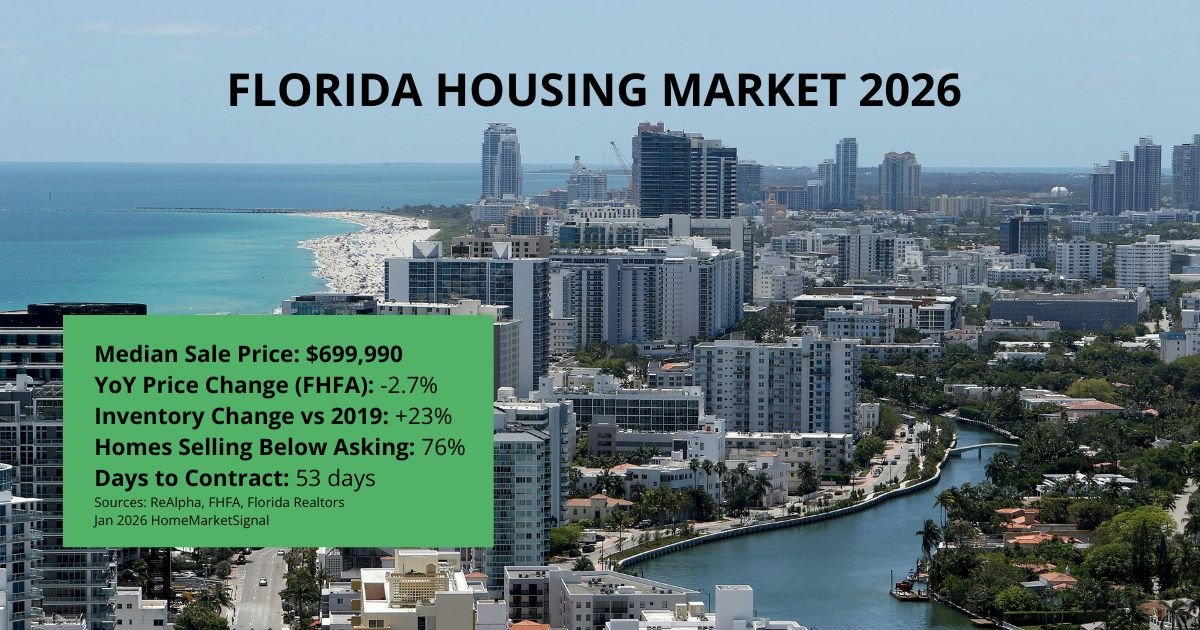
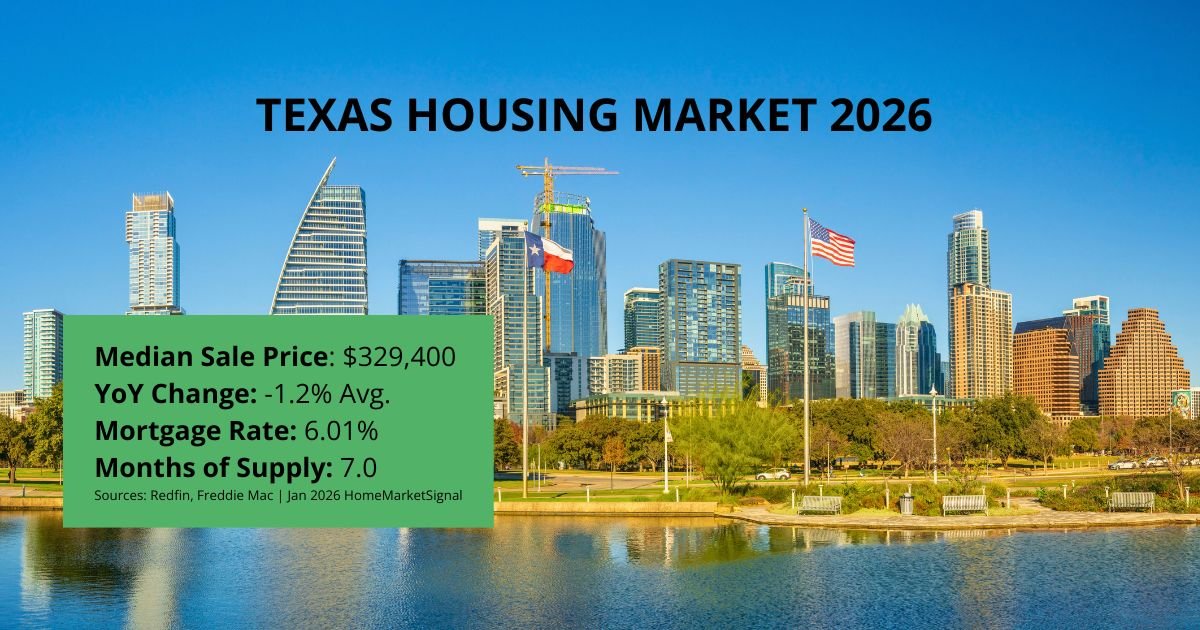
The outlook for 2026 points to stark contrasts from region to region. Growing cities in Texas, Florida, and across the Southeast will likely keep drawing people from more expensive coastal zones; this migration helps sustain demand and push property values upward.
California and the Northeast may see slower, steadier growth due to price barriers that narrow the number of eligible buyers. Still, these mature markets tend to weather economic turbulence well, making them appealing for investors looking for stability and not just quick gains.
Meanwhile, up-and-coming areas in the Mountain West and certain Midwest metros stand out as promising. They often combine lower entry prices with strong amenities and outdoor lifestyles that newcomers love. You might wonder, could these be the next big value hubs? Possibly.
Suburban and rural portions of the country are still reaping benefits from remote work flexibility. Yet the staying power of those pandemic-driven moves isn’t guaranteed. Communities that offer lower costs, open space, and solid schools are the ones most likely to retain their appeal through 2026.
Interest Rate Projections and Mortgage Market Impact
Interest rate forecasts through 2026 indicate continued swings as the economy finds its footing. Most economists expect rates to stay higher than pre-pandemic levels, though how high depends on inflation control and the Fed’s next moves. Granted, small changes in policy could still have wide effects.
Mortgage lending conditions will keep playing a major role in how people buy homes. Requirements around credit scores, down payments, or debt ratios may tighten or relax depending on the broader financial climate. Government-backed loans and first-time buyer programs will remain essential lifelines helping some buyers manage affordability concerns.
Refinancing, on the other hand, will probably stay slow compared to the boom years. A lot of owners already locked in low mortgage rates, meaning they are far less likely to sell or upgrade soon. This “rate lock” effect could keep housing supply limited even as demand evolves.
Supply and Demand Dynamics
Limited supply continues to be the housing market’s pressure point. New construction just hasn’t kept up pace with buyer demand. Zoning laws, infrastructure hurdles, and environmental requirements combine to make development tough in places that need it the most.
At the same time, long-term demographic patterns suggest demand will not vanish. Population growth, immigration, and new family formation all help sustain baseline demand levels. Still, the timing of purchases could shift as economic uncertainty influences buyers’ plans.
Homeowners with older low-interest mortgages remain hesitant to sell, which keeps the resale inventory tight. This rate “lock-in” challenge could linger into 2026 if borrowing costs stay high by comparison. Key point: less movement among existing owners means fewer choices for new buyers.
Investors, meanwhile, are adjusting their approach. Some are leaning toward single-family rental opportunities, especially where owning a home is getting out of reach for many people. The rental segment could stay strong, depending on jobs and local policies.
Technology and Market Evolution
Technology keeps transforming the way Americans handle real estate. From digital mortgage tools to immersive virtual showings and automated value models, digital adoption has become the industry norm. It’s reshaping everyday transactions as much as customer expectations.
Innovations under the proptech umbrella may spark even more efficiency by 2026. Think blockchain-based deal systems, AI-driven data analytics, and online buyer-seller platforms that cut down on cost and red tape. Important to note: transparency and speed are becoming competitive advantages.
Smart home innovation is another emerging factor changing buyer taste and property value trends. Eco-friendly design, energy monitors, and advanced automation features are fast becoming must-haves rather than luxuries. Simply put, technology is no longer a side note; it’s central to housing decisions now.
Policy and Regulatory Considerations
Federal and local government policies will keep shaping housing conditions all the way through 2026. Updates in taxation, land-use reforms, and first-time buyer incentives will each move the market needle differently depending on the region. Look, public policy levers really do matter here.
Climate change rules and environmental guidelines are also changing which places see growth. Areas vulnerable to floods or fires could face higher insurance costs and buyer hesitation. Conversely, communities seen as climate-resilient may enjoy rising demand and premium values.
Affordability programs such as inclusionary zoning may re-balance supply in selective metros. The challenge will be achieving greater access without distorting overall market health. It’s a tricky line for policymakers to walk, but the conversation is clearly gaining traction.
Investment Opportunities and Risks
Investors planning ahead for 2026 need flexible strategies tuned to uncertain conditions. The typical buy-and-hold model faces headwinds from higher purchase costs and pricier borrowing. Still, those with patience and sound cash flow might find solid long-term returns.
Rental properties remain an appealing asset given durable tenant demand where buying is tough. That said, factors such as rent caps, local regulations, and upkeep expenses should stay on every investor’s radar. Experience shows that details make the difference between profit and pain.
Real estate investment trusts and crowd-investing platforms offer exposure to property performance without direct ownership strain. Such models attract investors seeking a diversified portfolio or lower entry commitments. Clearly, modern investing is more flexible than ever.
Short-term flipping plays could see mixed outcomes thanks to labour constraints, higher materials costs, and possible price shifts. Those who succeed will likely be the ones deeply knowledgeable about their local markets and well-capitalized against surprises.
Buyer and Seller Strategies
Prospective buyers heading into 2026 should focus first on getting their finances in shape. That means improving credit scores, building larger down payments, and securing pre-approvals. In competitive markets, solid preparation remains the edge.
Flexibility helps too. Buyers willing to explore new neighbourhoods, property types, or creative financing can discover better deals. In practice, open-mindedness often leads to opportunity when affordability is tight.
Sellers, on their side, should devote time to presentation and timing. Finishing small repairs, pricing wisely relative to comps, and promoting standout features can all boost appeal. Granted, knowing what buyers want is half the battle.
Both parties benefit from staying attuned to the bigger picture. Market shifts, lending changes, and economic indicators can all change quickly. That’s why partnering with reliable agents, lenders, and legal experts continues to be invaluable when deals get complex.
Long-term Market Outlook
The general 2026 forecast points toward gradual adaptation rather than dramatic transformation. Over time, steady fundamentals like population expansion, new household creation, and re-investment needs will provide the market a reliable base. Real talk: the system is evolving, not collapsing.
Persistent affordability challenges may keep buyers looking outside core metros into secondary or smaller cities. As this spreads demand, lesser-known regions could gather momentum and foster new housing innovation. It’s already happening quietly in multiple areas.
Shifts in climate patterns, demographics, and technology will gradually influence where people prefer to live and what they’ll pay. Regions that pivot faster to sustainable, tech-friendly options may perform better long term. Others might fall behind if they resist change.
Ultimately, a community’s resilience, job diversity, and general lifestyle offer remain central to future success. Areas supporting education, infrastructure, and sustainability often see both solid growth and investor interest. You might wonder which ones are next on the rise; time will tell.
Preparing for Market Uncertainty
Because the housing market touches so many factors at once, it’s wise to anticipate multiple possible scenarios. Economic shocks, regulatory shifts, or black swan events can quickly rewrite expectations. Still, careful planning can cushion some of that volatility.
Building financial stability through emergency funds, manageable debt, and varied income helps both homeowners and investors face upheavals more calmly. Well, it’s a timeless rule: preparation breeds confidence when markets wobble.
Reliable data and professional connections remain crucial tools for decision-making. Studying local subtleties is equally vital, since national headlines rarely cover every nuance. Research suggests that hyper-local insight often delivers the most accurate guidance.
In the end, the 2026 housing picture contains both real challenges and real openings. Effective outcomes will depend on steady strategy, open-mindedness, and the ability to adjust when the environment shifts. Those who keep a clear head and understand the fundamentals should navigate the evolving real estate landscape successfully.