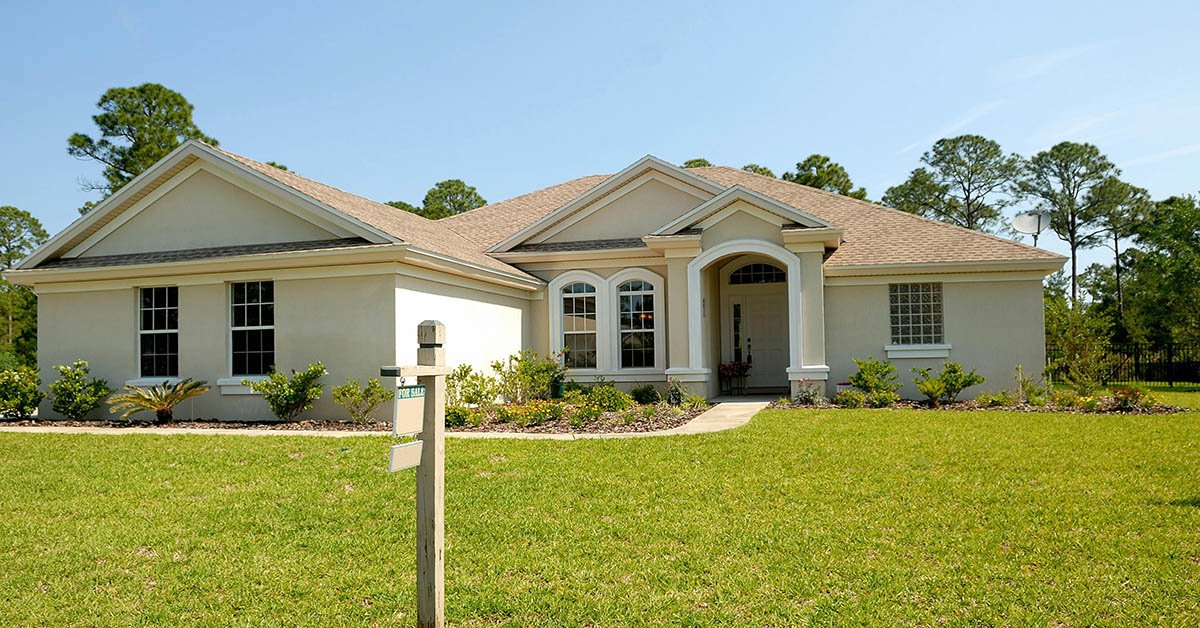
As of early 2026, a typical home in Washington, DC usually takes about 46 to 71 days to go under contract, though this varies depending on the source of data and the kind of property. Naturally, well-priced listings in popular neighborhoods can get snapped up in as little as 25 to 33 days, while homes that are priced too high or serve a niche market might linger for 90 days or even longer.
Now, the current market looks quite different from prior years. Recent numbers show that available inventory has climbed roughly 14%, which gives buyers a small advantage and puts more pressure on sellers to nail their pricing strategy. Meanwhile, the NAR reported that December saw its worst pending sales data in recorded history, dropping 9.3% from the previous month and about 30% below pre-pandemic levels, which is a big shift indeed.
Key Takeaways
Truly understanding your home’s selling timeline starts with setting expectations in line with today’s market reality. Simply put, sellers who know the facts can plan better and stress less. Here’s what every homeowner getting ready to sell should keep in mind.
- Total realistic timeline: Expect 3 to 4 months from deciding to sell until the keys change hands
- Hot homes in desirable neighborhoods can shorten this to roughly 8 to 10 weeks
- Days on market (DOM) averages around 46 to 71 days citywide, depending on neighborhood and how well the home is priced
- Closing period adds usually another 30 to 45 days after a contract is accepted
- Pricing accuracy remains the biggest single factor influencing how fast you sell
- Seasonal timing affects speed notably, with spring still proving the busiest time to list
The Full Home Sale Timeline: Week by Week
Breaking down the entire property selling process week by week gives a clearer picture of what to expect. The journey includes a few distinct stages, each with its own timing and tasks. Important to note, realistic planning makes a noticeable difference to overall results.
Pre-Market Preparation (Weeks 1-2)
Before your property even hits the MLS, there’s some prep to handle that usually lasts 1 to 2 weeks. Think professional photography, staging advice, thorough pricing analysis, and listing setup. Homes that skip or rush through this step often end up sitting longer because of poor visuals or unrealistic pricing estimates. Well, it pays to prepare.
Active Marketing Period (Weeks 3-8)
Once your listing goes live, the clock starts ticking for how long it takes to attract a buyer. Under current market dynamics, most homes spend around 6 to 10 weeks in this stage. Of course, properties that are attractively priced and well-presented in high-demand neighborhoods can catch offers much faster, sometimes in the first couple of weeks.
Contract to Closing (Weeks 9-14)
After you’ve accepted a buyer’s offer, the deal enters the closing phase, which generally takes 30 to 45 days. This period includes the inspection process, appraisal, loan approval, and some last-minute admin. Sometimes things stretch out if inspection surprises or financing challenges arise, but other times it moves smoothly. It just depends.
Neighborhood Variations in DC
Location, as always, plays a major role in how quickly a home sells across DC. According to The Jamil Brothers, market behavior varies significantly from one area to another, largely tied to demand, pricing, and local amenity access. Real talk, where you list really matters.
| Neighborhood | Price Range | Typical DOM | Market Speed |
|---|---|---|---|
| Navy Yard / Capitol Riverfront | $485K–$650K | 30–45 days | Fast |
| Logan Circle/Shaw | $600K–$800K | 40–55 days | Moderate |
These differences trace back to variables like job growth, local amenities, and transit access. Neighborhoods offering strong connectivity and lifestyle perks simply move faster. Look, demand follows convenience every time.
Seasonal Impact on Your Timeline
The season when you list can either boost or slow your sale noticeably. Trends over many years clearly show how seasonality plays into both sale price and speed. You might wonder which months are best, and the data has a clear answer.
| Season | Typical DOM | Market Conditions | Best For |
|---|---|---|---|
| Spring (Mar–May) | 30–45 days | Peak buyer activity | Families moving before school year |
| Summer (Jun–Aug) | 45–60 days | Busy season, but vacation overlaps | Relocations or move-up buyers |
| Fall (Sep–Nov) | 50–70 days | Moderate buyer traffic | Serious shoppers, less competition |
| Winter (Dec–Feb) | 60–90 days | Slower market rhythm | Motivated buyers, leaner inventory |
April and May usually stand out as the prime months to list in DC, showing the shortest sales turnaround and highest buyer interest. Conversely, winter sales tend to drag out longer partly due to lower activity and holiday distractions. Honestly, timing still matters a lot.
Sale Options Comparison
Different sale methods come with their own timelines, profits, and trade-offs. Understanding each option gives sellers a clearer sense of what fits their goals and how fast they actually want to move. Here’s the breakdown worth noting.
| Sale Method | Timeline | Expected Proceeds | Best For |
|---|---|---|---|
| Traditional MLS Sale | 3–4 months | Highest (95–100%) | Sellers aiming for top dollar and willing to wait |
| Cash Offer / iBuyer | 2–4 weeks | Lower (85–95%) | Speed-focused sellers valuing simplicity |
For most local sellers, working with a professional agent through a traditional listing still nets the highest returns. Still, if speed or convenience trumps maximum payout, cash and iBuyer options provide solid alternatives to consider, especially for those facing time pressure.
Current Market Conditions and 2026 Forecast
The 2026 housing market presents both hurdles and openings for sellers. Recent studies show meaningful shifts that shape how long it takes to sell and what strategies actually work best. In practice, the numbers tell a cautionary tale but not a hopeless one.
According to the latest NAR data reports, pending home sales dropped about 9.3% in December 2025 from the month before, marking the worst December ever recorded. That dip, roughly 30% below pre-pandemic averages, suggests a market that sellers can’t approach casually. Key point: this is a recalibration moment, not a collapse.
Still, DC’s housing scene shows more stability than most parts of the country. Active listings rose 14%, nudging the market toward balance and giving buyers a faint edge. Consequently, sharp pricing, standout presentation, and neighborhood fundamentals matter now more than ever. What’s interesting is that this more measured pace brings clarity rather than chaos.
Federal Cycle Impact
Given DC’s role as the nation’s capital, local real estate ebbs and flows alongside federal cycles. Congressional sessions, recesses, and budget timing all subtly influence activity levels. Many government employees or contractors plan their moves around these official schedules; so, demand fluctuations here follow patterns unique from other metro areas. It’s an extra wrinkle worth factoring into your plans.
Factors That Accelerate or Delay Your Timeline
Several internal and external forces affect how quickly a home moves once listed. Recognizing and managing these variables helps sellers set achievable expectations and avoid unnecessary delays. Actually, being realistic early often means less stress later.
Controllable Factors
Pricing accuracy is easily the number one timeline driver. Listings priced too high can sit for 90 days or longer, while the right pricing—based on local comps—often lands offers in about 25 to 33 days. Market-smart pricing backed by solid data remains your most powerful tool to control timing.
Presentation quality, from staging to photography and marketing collateral, determines initial buyer engagement. Professionally presented listings attract more traffic, generate higher interest, and often get offers faster. Honestly, aesthetics make a difference far beyond vanity.
Flexible showing schedules boost accessibility for buyers, which directly increases foot traffic. When showings are too limited, buyers tend to shift their attention toward homes that are easier to tour. It’s simple: fewer barriers equal quicker sales.
Market-Driven Factors
Your neighborhood’s active buyer base sets the tone for how long you’ll wait. Districts with strong career growth, easy transit, and lifestyle amenities bring in deeper buyer pools, cutting the average days on market considerably. Experts agree, demand likes convenience.
Seasonal movement changes buyer motivation too: spring brings peak action, winter slows it down. Similarly, how much inventory sits in your price bracket determines whether buyers feel pressure to move or freedom to browse. Some of it you can’t change, but knowing it helps you plan better.
Preparing for Success: Timeline Optimization Strategies
Sellers who close confidently in 2026 tend to plan with precision rather than betting on luck. The housing market now rewards versatility and informed preparation. Experience shows that adaptability brings measurable results.
Begin with data-driven pricing that reflects recent sales, not nostalgic memories of the hottest market years. Partner with a seasoned professional who knows the city well and can adjust positioning for local trends. In truth, strategy beats speed every time.
Put effort into presentation, from expert staging to crisp photography and compelling marketing. As inventory rises, standout visuals and strong branding become decisive advantages separating your property from the rest. Plus, buyers tend to remember what looks right.
Finally, stay open about showing times or negotiation terms. With buyers having more choices, flexibility communicates cooperation and accelerates deals. In other words, being easy to work with can be just as important as the property itself.
Bottom Line Expectations
Selling your DC home in 2026 demands balance: clear-eyed strategy, realistic expectations, and professional execution. The wild pandemic-era pace has cooled into a more grounded, data-fueled environment where buyers and sellers meet somewhere in the middle. That’s healthier, even if patience is required.
Expect roughly 3 to 4 months total from listing to closing. Your actual timeline leans heavily on things like pricing realism, home presentation, and your flexibility… though neighborhood and season still add their own twists. Sure, every home tells a slightly different story, but patterns hold true overall.
Ultimately, success hinges on awareness and preparation. Sellers who price smartly, invest in presentation, and adjust along the way generally find smoother sales and stronger outcomes than those clinging to old market habits. It’s not luck; it’s readiness meeting reality.